
Why we’re wired to move less
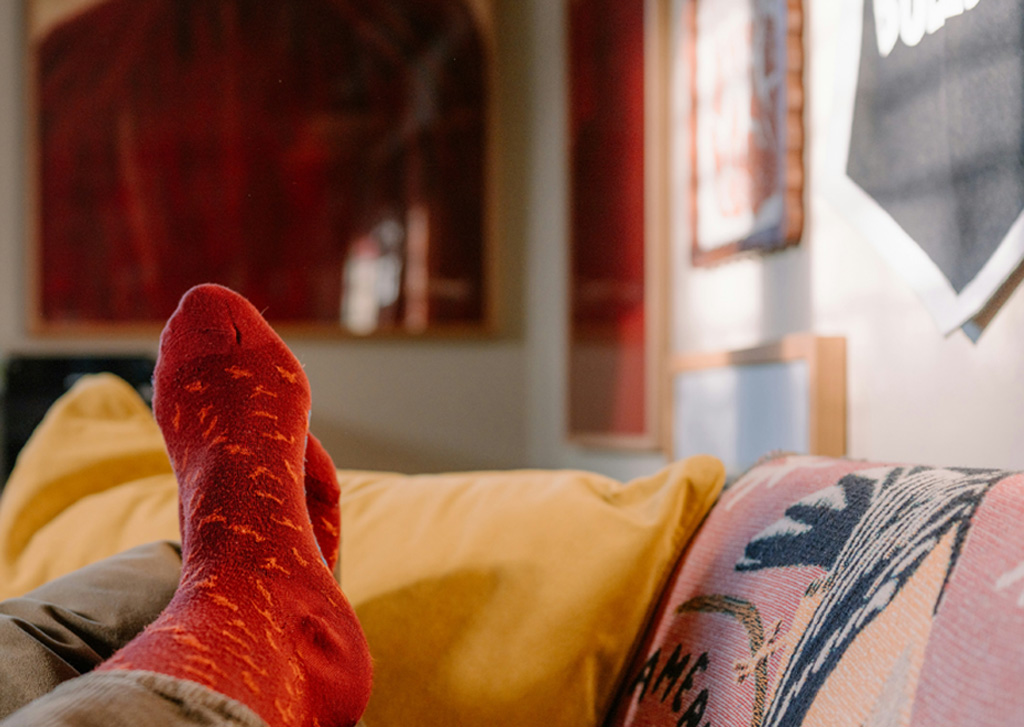
Have you ever found yourself sinking into the sofa, knowing you should get up and move, but not being able to motivate yourself to? That’s not just habit, it’s also your body wanting to take the path of least resistance. This instinct to avoid unnecessary effort isn’t new. In fact, it’s wired into us. For most of human history, movement wasn’t optional. It was how we survived. But even though our bodies are built to thrive on movement, they’re also built to conserve energy where possible.
The world has changed, but human bodies have not
This survival instinct helped early humans get through periods of food scarcity, ensuring they had enough reserves to hunt, flee danger and endure hardship. The problem? We still have the same instinct today, even though our world has changed completely. Most of us in the Western world no longer need to hunt for food, yet our bodies still nudge us to preserve our energy whenever we can. Add to that the fact that food is now more abundant than ever, and it’s easy to see why modern life makes movement feel like an effort rather than a necessity.
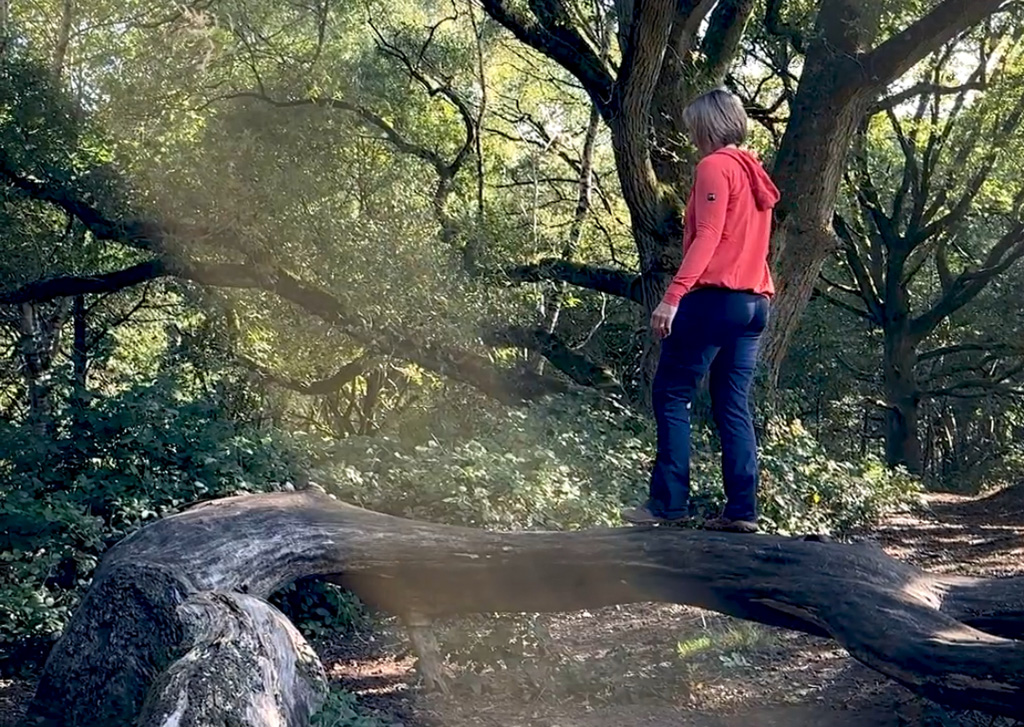
That’s why getting enough movement today isn’t just about motivation; it’s also about actively working against the instincts that once kept us alive. And that’s no small task. But the good news is that, once we recognise this, we start to see the hidden choices all around us. But it’s up to us to make these choices!
The evolutionary mismatch theory
This theory (popularised by Gluckman & Hanson, 2006) explains how traits that once helped our ancestors to survive – such as conserving energy and craving calorie-dense foods – can work against us today. Research suggests that many chronic diseases, including metabolic disorders and musculoskeletal issues, stem from this mismatch between our biology and modern environments, which helps to explain why staying active can feel so difficult. Understanding this concept can empower us to see why we need to make more intentional movement choices.
Relearning the language of movement
If we see movement as a language, our ancestors spoke it fluently. Their daily lives were filled with climbing, squatting, scrambling and lifting. But modern life has us repeating only a few phrases: sitting, typing, standing, walking short distances. Over time, we forget how to ‘speak’ the rest.
I’m not saying we should abandon all modern conveniences and go back to living in caves. I, for one, am grateful for the roof over my head, my fridge, and the ability to drive my kids where they want to go. But what I want to highlight is that we are making unconscious choices every day – choices that either keep movement in our lives or let it slip away.
Once I became aware of the choices I had, everything changed. I won’t pretend it’s effortless; I sometimes have to push myself to take the more active option – choosing to walk up the escalator instead of letting it move me, or being tempted to sit down to put my shoes on. But the difference is that now I know why I’m making that choice, and I know my body always feels better for it. Since I changed my mindset, I see movement opportunities everywhere. Where before I couldn’t see them, now they’re impossible to ignore. And the more I take them, the more fluent I become in this language of movement – far more than I was before.
Every movement counts: let’s make movement matter together
It’s easy to think that if we don’t have time for a full workout, there’s no point thinking about moving at all. But every movement adds up. A UK Biobank study of 25,000 inactive adults found that just three short bursts of movement daily, such as climbing the stairs or brisk walking, lowered cardiovascular mortality risk by 49% and the risk of dying from cancer by 40%. I think that’s huge!
And it’s not just about living longer. Moving more throughout the day makes the way we move through life feel easier and makes us feel more energised right now – not just years down the line.
The great news? You don’t have to overhaul your life to make a meaningful difference. Every small choice to move is an investment in feeling better today and building strength for the future.
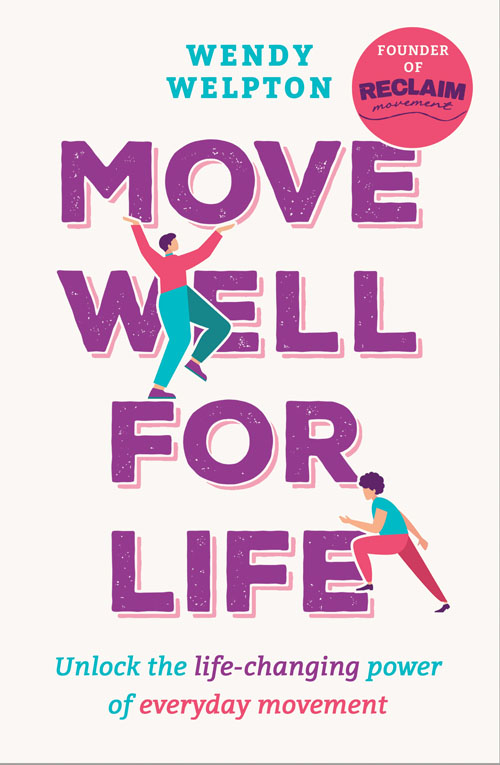
This is an edited extract from Move Well For Life by Wendy Welpton. Published by Headline Home (£16.99).
Read more: Top 10 ways to sprinkle movement through the day
Lead picture credit: Annie Spratt on Unsplash
